Most apartment kitchens were not designed by anyone who cooks. They were designed to satisfy a floor plan: a two-step galley, one corner of counter, a fridge door that opens into a drawer it can never quite clear. The space functions right up until you try to make dinner in it. The encouraging part is that small kitchens respond unusually well to targeted changes. You do not need a permit or a contractor to make one feel twice as usable. You need to decide where things live, use the walls you already have, and add surfaces that appear when you need them and vanish when you don't.
Clear the Counters Before You Buy a Single Basket
Storage problems are usually zoning problems in disguise. Before spending anything, take everything off your counters and pile it on the dining table. Group the pile by activity: cooking, prep, cleaning, coffee, lunch-packing. Now look at what you actually touch every day. Those items — the oil, the salt, the spatula, the cutting board — deserve the prime real estate at hip-to-shoulder height, ideally between the sink and the hob.
Everything else goes somewhere else. The blender you use twice a year does not get counter space; it gets a high shelf. The air fryer you use four times a week probably does, but it can live on a pull-out shelf so it slides out of sight. Once you see the pile, the real question stops being "where do I put all this" and becomes "which twelve things need to be within arm's reach."
Think in Vertical Feet, Not Square Feet
Compact kitchens are almost always short on wall, not on height. Builder-standard upper cabinets stop a foot or more below the ceiling, which leaves a dusty gap big enough for a row of baskets, a second shallow cabinet, or a display shelf for the things you use occasionally. Twelve-inch deep uppers mounted above your existing ones will hold platters, holiday dishes, and the stockpot that has nowhere else to go.
Five places people forget to use
- The toe kick. The recessed strip at the base of your cabinets is 3 to 4 inches tall and runs the width of the kitchen. Drawer-style toe kicks hold baking sheets, muffin tins, and serving trays. On a rental, a shallow basket set inside the recess adds storage without any drilling.
- Inside cabinet doors. A thin rack on the back of a door turns dead air into spice storage, lid storage, or a home for foil and parchment. Measure the door depth first — the rack cannot be deeper than the shelf behind it.
- The backsplash zone. A magnetic knife strip, a hook rail for mugs, or a small floating shelf keeps tools off the counter while staying in reach.
- The sides of cabinets facing the room. This is free wall. A hook for tea towels, a small clip for recipes, a slim spice caddy.
- Above the fridge. One closed cabinet here swallows the bulky, ugly, rarely used items — the turkey roaster, the giant mixing bowl, the box of jars you keep meaning to use.
If you are hanging anything heavier than a tea towel, fix it into studs or use anchors rated for the load. Pots on a ceiling rack need proper hardware. When you are unsure what your wall can take, ask a handyperson rather than testing it with your cast iron.
Fold-Away Counters: Extra Workspace on Demand
Standard counters are 24 inches deep. If you have a blank wall — the end of a run, the space beside a doorway — you can borrow that depth back. A wall-mounted drop-leaf table on folding brackets gives you a full prep surface in the morning and folds flat when you need the floor back. Choose a butcher-block top around 18 to 24 inches deep and check the bracket's weight rating before you load it with a stand mixer.
A few options, from easiest to most involved:
- A rolling cart with a butcher-block top. It parks beside the fridge and rolls out as a temporary island. Nothing is fixed, so it travels with you when you move.
- An over-sink board or roll-up rack. Adds instant counter above the basin. Trim to fit and add rubber feet so it doesn't slide while you chop.
- A pull-out shelf inside a base cabinet. A shelf on heavy-duty slides lifts the rice cooker or mixer to counter height and pushes back out of the way. This one needs carpentry, or a good handyperson.
- A fold-down dining ledge. Two feet wide is enough for two people and a bottle of wine. Add folding stools that tuck under.
Whatever you choose, walk your kitchen with a tape measure first. If a fold-down surface blocks the path when it's open, you will stop using it within a month. Leave at least 36 inches wherever two people pass each other, and more if you can spare it.
Make the Appliances Earn Their Footprint
Every appliance in a small kitchen is competing for the same few square feet, so choose deliberately. A counter-depth refrigerator sits flush with your cabinets instead of looming into the walkway. An over-the-range microwave frees a full counter corner. A slim pull-out pantry, barely 12 inches wide, holds more than a lazy Susan and keeps the contents visible. If your trash can lives on the floor, a pull-out bin inside a base cabinet is one of the cheapest quality-of-life upgrades available.
Cooking equipment matters too. If you rarely use more than two burners, a compact or two-burner induction cooktop hands you back counter space. And keep a small appliance budget rule: for every new gadget that arrives, something leaves. Otherwise the counter you cleared last month is full again by spring.
Light in Layers So the Room Reads Bigger
One ceiling fixture casting light straight down makes a small kitchen feel tighter than it is. It puts your body between the light and the work, so you lean over the counter and cast your own shadow onto the onion. Aim for three layers instead: an ambient ceiling light, task light on the counters, and a small accent light to lift the far wall.
Under-cabinet LED strips do the heavy lifting. Mount them toward the front edge of the upper cabinets so the light lands on the counter rather than glaring off the backsplash. Choose a warm-neutral white, somewhere around 3000K, which keeps food looking like food rather than a showroom. Plug-in strips with an inline switch work fine in rentals; hide the cord in a slim channel or run it along the back edge and secure it with clips.
Then add a dimmer, if you can. Bright light for chopping, low light for dinner, and the same room suddenly has two moods instead of one. Pale cabinet fronts, a light backsplash, and a mirror or glossy panel on a dark wall all help bounce that light around. This is design advice, not electrical advice — anything beyond a plug-in fixture should go to a licensed electrician.
Systems Beat Storage Space
No amount of clever cabinetry survives a kitchen with no rules. Give everything a home, and make the home match how often you use it: daily items in the open, weekly items in drawers, seasonal items high or far. Keep a small landing zone near the door for keys, mail, and the grocery list so clutter doesn't migrate to the counter. Line up drawer dividers so utensils don't tangle, and use clear containers for dry goods so you can see what you have without lifting lids.
Finally, adopt a five-minute reset after cooking: dishes in, counters wiped, tools back on their hooks. In a small kitchen, a tidy room reads as a bigger room, and tomorrow's dinner starts with a clean surface instead of an argument.
Start With the Wall That Annoys You Most
You do not have to fix the whole kitchen in one weekend. Pick the single spot that frustrates you daily — the pile of pans, the dark counter, the missing prep space — and solve just that one. Live with it for a week. If it works, keep going; if it doesn't, you have lost very little.
Measure before you buy, keep receipts, and favor anything that can move with you. A small kitchen is not a compromise. It is a room that rewards attention, where one good decision about a wall hook or a fold-down counter changes how the whole space feels. Start small, start with the wall that bothers you, and let the kitchen grow into the space you actually cook in.
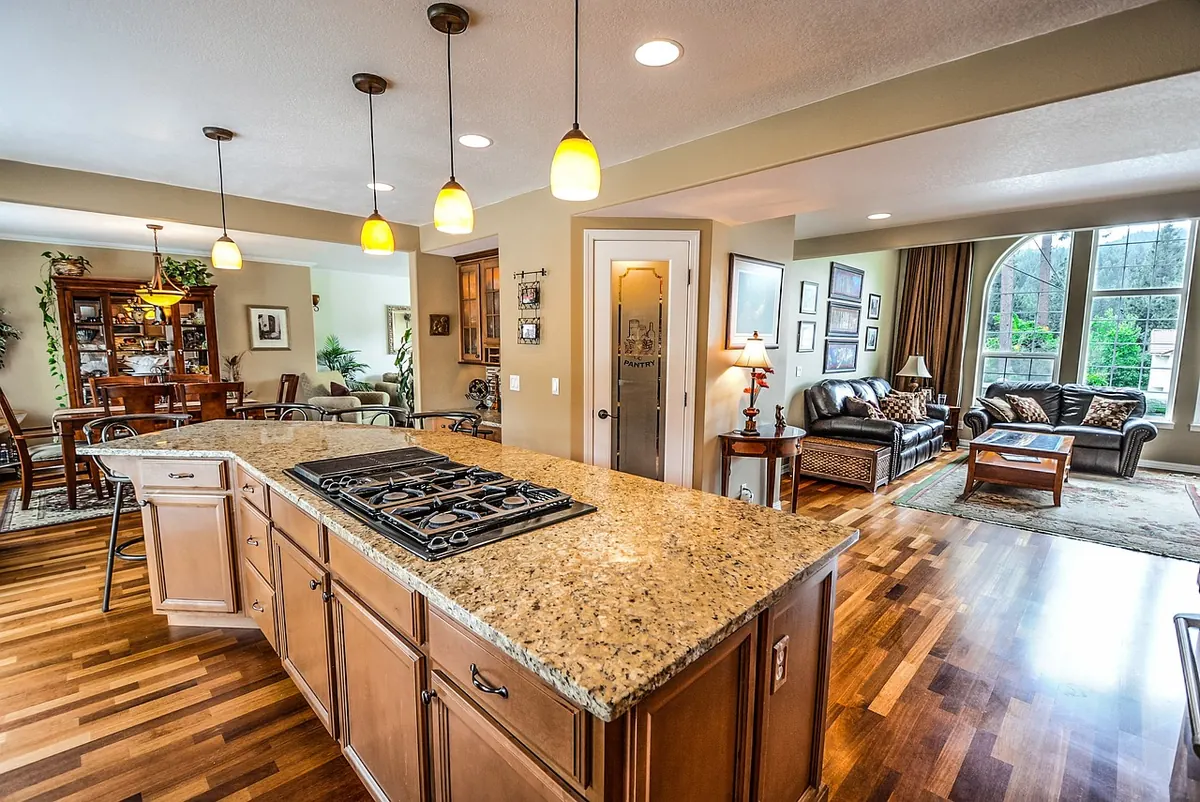
Photo: user32212 / Pixabay