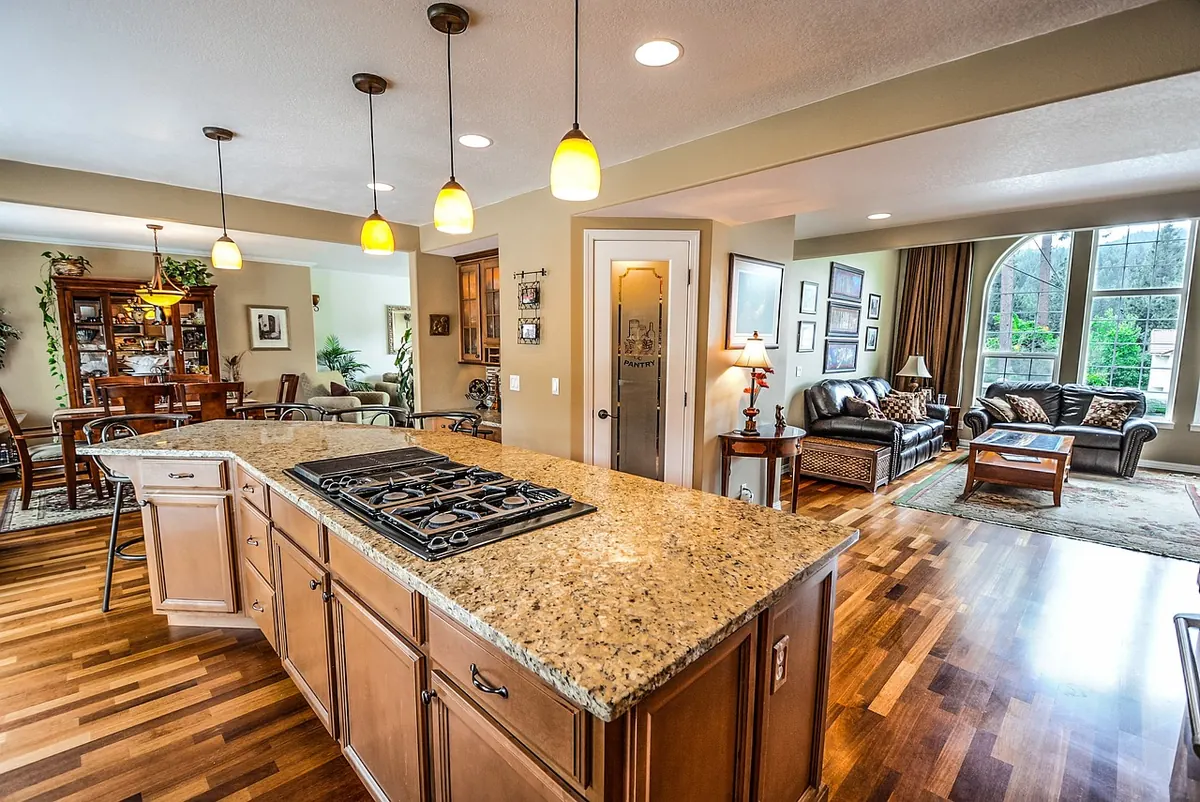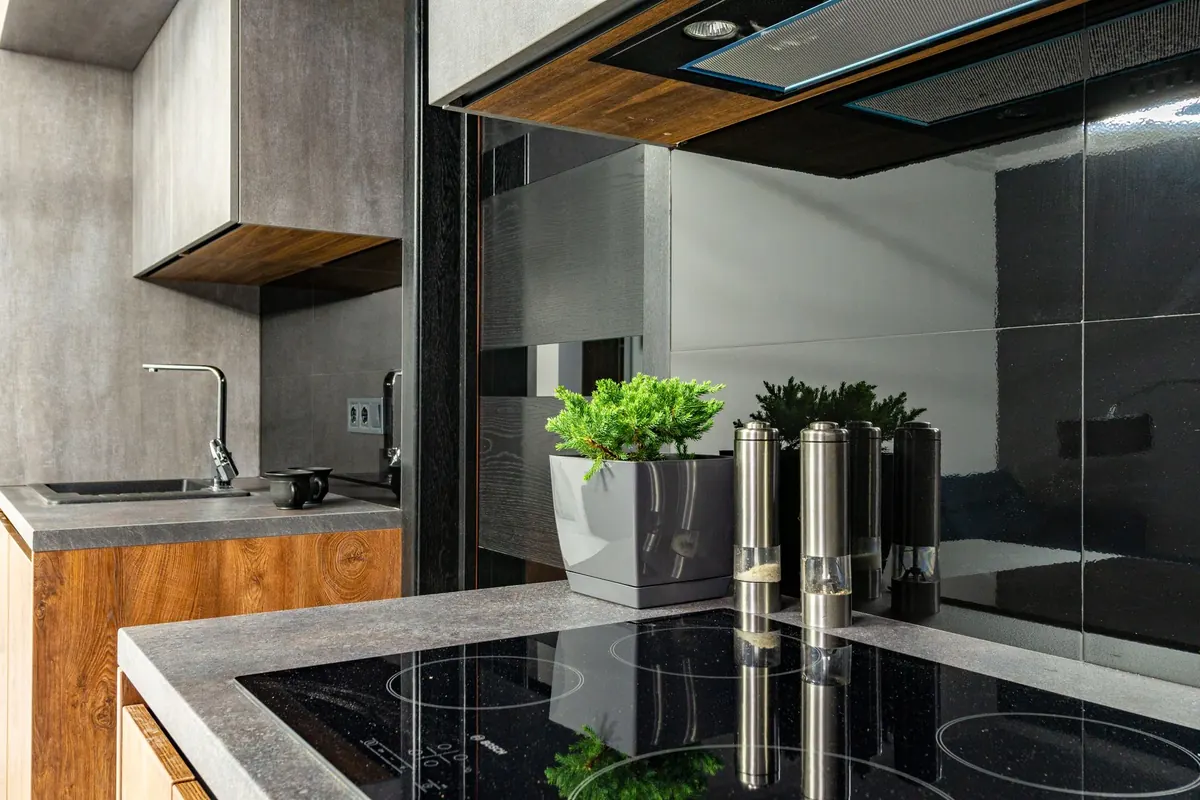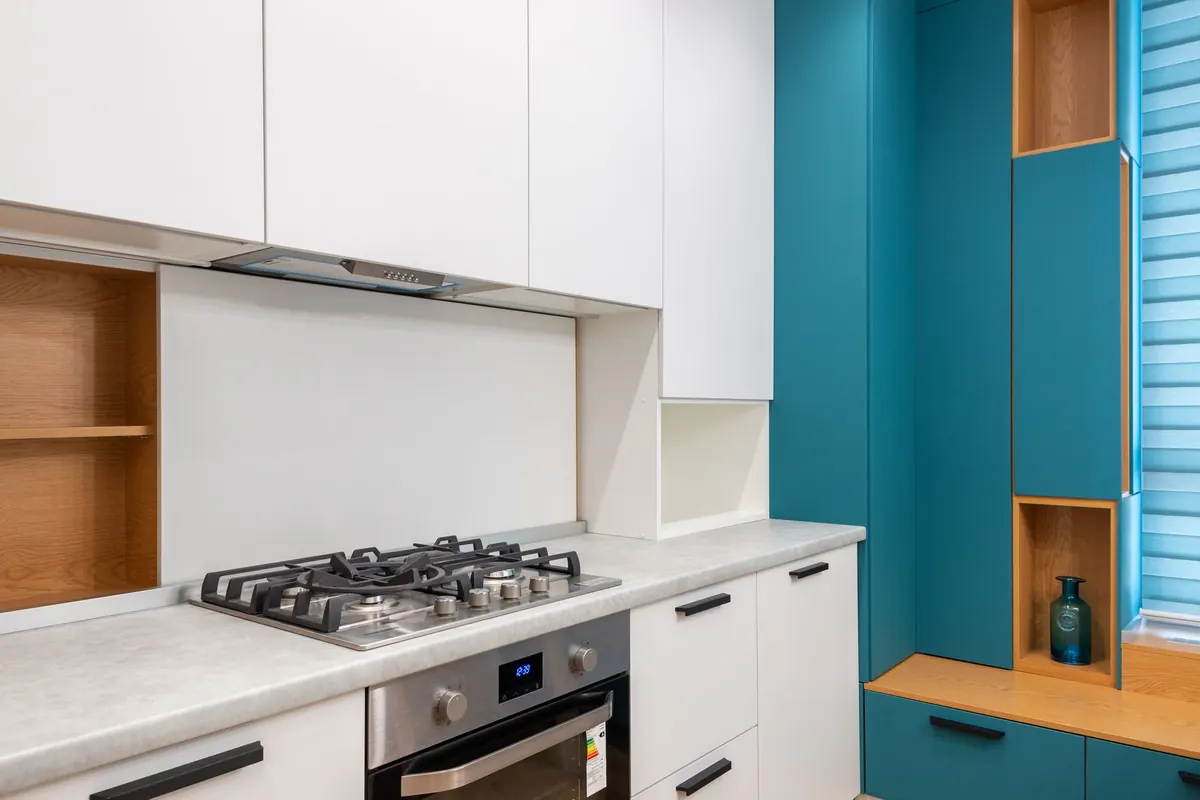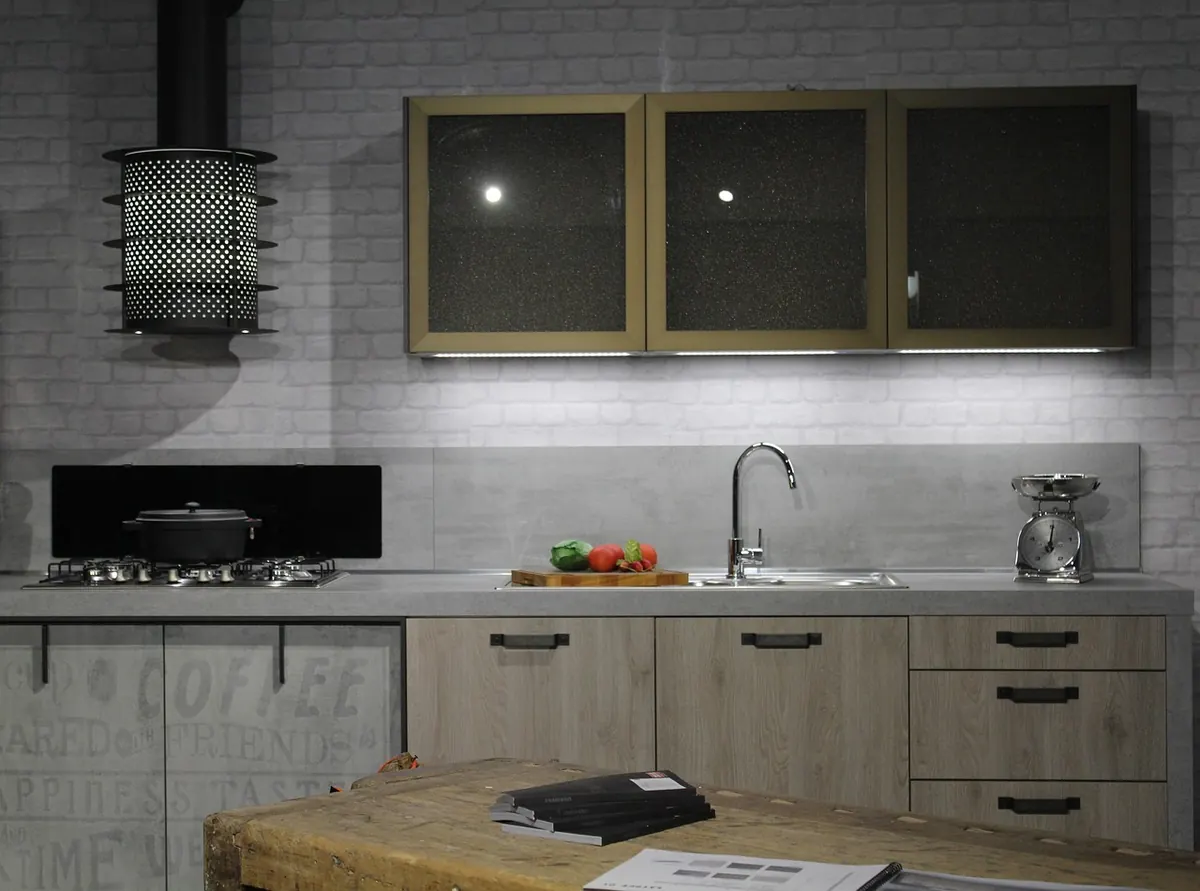
Most people choose a range hood the way they choose a smoke detector: quickly, late in the project, and mostly on looks. Then the first time they sear a steak, they find out what they actually bought. A hood that's too narrow lets grease drift past it. One that's too weak leaves the kitchen smelling like last night's dinner at breakfast. One that's loud enough to drown out conversation gets switched off after thirty seconds, which means it isn't doing anything at all.
Getting this right isn't complicated. It comes down to four things — width, airflow, ducting and noise — plus an honest look at how you cook.
Start With How You Cook
Before you look at a single spec sheet, describe your average week. If you boil pasta, reheat leftovers and make the occasional omelet, you need modest airflow and can prioritize quiet operation. If you sauté onions most nights, brown meat and roast vegetables, you're in the middle. If you sear steaks in cast iron, run a wok on high heat, deep-fry or use a griddle, you need serious capture and real airflow — and you should expect to pay more for silence.
Wok cooking and flat-top griddles are the two hardest cases. They push smoke and steam sideways fast, which is why wide hoods and high-heat baffle filters exist.
Width: The Number People Get Wrong Most Often
A hood should be at least as wide as your cooking surface, and ideally a little wider. For a standard 30-inch range, a 30-inch hood is the floor and a 36-inch hood is the better buy — especially over gas. The extra inches catch the plume that drifts sideways as it rises.
Island hoods need more coverage than wall hoods because there are no walls to contain the rising air and every footstep creates a draft. Oversizing by about six inches total (three on each side) is common practice over an island.
Depth matters too. A wall hood around 22 to 24 inches deep will overlap the front burners without blocking your view of the pans. Mounting height usually lands somewhere between 24 and 30 inches above the cooking surface, with gas ranges at the higher end — but check the manufacturer's spec for your model, since clearance to upper cabinets varies.
CFM: Matching Airflow to Your Burners
CFM stands for cubic feet per minute, and it's the measure of how much air the fan moves. A useful rule of thumb for gas: divide the combined BTU output of your burners by 100 to get a minimum CFM. Four burners at 9,000 BTU each comes to 36,000 BTU, which points to roughly 360 CFM. A high-output range with a 15,000 BTU power burner will push you well past that.
For a 30-inch electric range, 300 CFM is a reasonable floor. Then add margin if any of these apply:
- You cook on an island, where cross-drafts steal the plume.
- Your duct run is long, or has several elbows.
- You regularly sear, fry or use a wok.
- The hood is mounted at the taller end of the height range.
Bigger isn't automatically better. An oversized hood on a small range can pull heat away from the burners, waste energy and create a pressure imbalance in the house. Very high-CFM hoods often require make-up air — a supply of replacement air — and local rules on this vary, so check with your building department before committing to a monster blower.
Ducted or Ductless?
Ducted is the better answer whenever it's possible. The hood captures grease, smoke, moisture, heat and odors, and pushes all of it outside. That means ductwork, and the details matter: use smooth rigid metal rather than flexible corrugated pipe, keep the run as short and straight as you can, avoid reducing the duct size, and vent to the outdoors through a proper cap with a damper. Never terminate a duct into an attic or crawlspace.
Ductless hoods pass air through a grease filter and a charcoal filter, then blow it back into the room. They're the right call for apartments, condos and interior walls where venting isn't an option, and they handle light cooking fine. What they can't do is remove heat and moisture, and the charcoal filters need replacing every few months to keep working. If you go ductless, plan on buying filters regularly and accept that heavy frying will linger.
Some hoods convert from one mode to the other, which is worth knowing if you might add ducting later.
Noise: Read the Sones at the Speed You'll Use
Noise is rated in sones. A rough guide: under 3 sones is comfortable for everyday cooking, 4 to 6 is a noticeable hum you'll talk over, and 7 or more is loud enough to make you reach for the off switch. For context, a quiet refrigerator sits around 1 sone.
The catch is that sone ratings are usually quoted at the low or middle setting, while the highest speed is far louder. Look for a hood with three or four speeds and check that the mid setting gives you enough airflow for daily cooking. A few other quiet tricks:
- Choose a larger duct size than the minimum; moving air through a bigger pipe makes less noise.
- Consider an inline or remote blower mounted in the attic or outside, which takes the motor noise out of the room.
- Keep the duct run straight, since every elbow adds turbulence and sound.
Filters, Lighting and Other Details
Baffle filters — the stainless, slotted kind — handle heavy grease and high heat better than mesh, and most are dishwasher safe. Mesh filters are fine for light cooking and cost less. Whichever you choose, clean it monthly; a greasy filter cuts airflow and makes the fan work harder.
Look at the lighting as well. You'll be working under it every night, so LED task lighting aimed at the cooktop is a genuine upgrade over a single dim bulb. Controls should be reachable without leaning over a hot pan, and on island hoods a remote or wall-mounted control is worth the option.
Finally, think about how the hood fits your kitchen. Under-cabinet models disappear into the run, chimney hoods make a statement, and insert liners let you build a custom surround that matches your cabinetry. Whatever the style, the mechanicals underneath are what determine whether it works.
A Practical Checklist Before You Buy
Measure your cooktop width and add a few inches. Note your burner BTU total and divide by 100. Decide whether you can duct outside, and if so, where the run will go. Set a noise ceiling you can live with. Then compare models on those four points before you compare finishes.
Write your answers down and take them to the showroom. Sales staff can talk you into a beautiful hood in thirty seconds; the numbers are what keep your kitchen clear for the next decade.
Photo: sferrario1968 / Pixabay